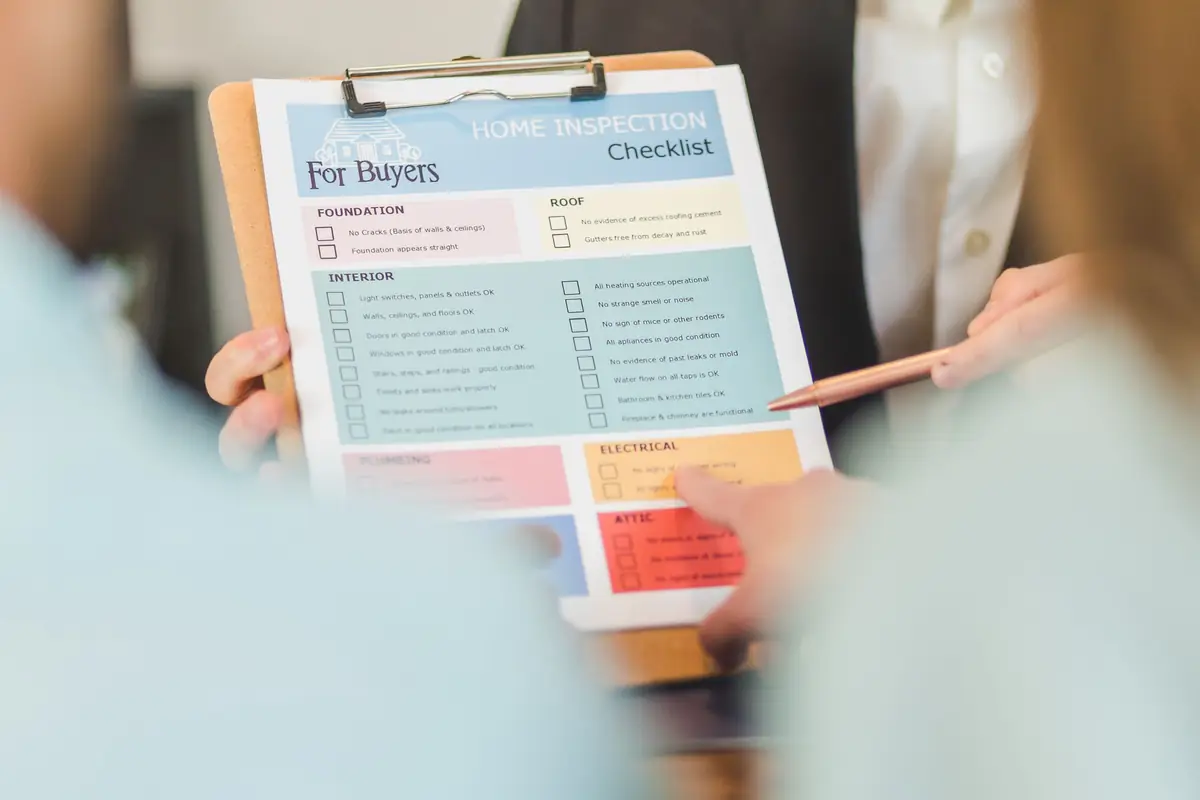
Most deposit deductions in Dubai aren’t about major damage, they’re about small, fixable things that got overlooked before the final inspection: a scuffed wall, a dripping tap, a light that’s stopped working. Going through a checklist a week or two before you hand back the keys gives you time to fix what’s fixable, which is almost always cheaper than having it deducted from your deposit.
The checklist
| Area | What to check |
|---|---|
| Walls and ceilings | Scuffs, marks, nail holes, or patches that need touch-up paint |
| AC units | Cooling properly, filters clean, no unusual noise or smell |
| Plumbing | No drips, leaks or slow drains in sinks, showers or toilets |
| Electrical | All light fittings and switches working, no exposed or damaged wiring |
| Doors and cabinets | Hinges, handles and locks working smoothly |
| Bathroom fittings | Sealant intact around baths and showers, no mould staining |
| Kitchen appliances | Clean and in working order, if provided with the unit |
| Flooring and tiles | No cracked, loose or missing tiles |
Why it’s worth doing this before the inspection, not during it
A final inspection with your landlord or agent moves quickly, and it’s not the moment to start negotiating what’s fair wear and tear versus damage. Fixing what you can beforehand, and having a record that you did, puts you in a stronger position if there’s any disagreement about a deduction. It’s also simply cheaper: most of the items on this checklist cost far less to fix yourself or through a maintenance company than the amount typically deducted from a deposit for the same issue.
Fair wear and tear vs damage
Ordinary wear from normal living, light scuffs, minor fading, or a worn patch of carpet, is generally not something a landlord can deduct for. Damage beyond normal use, a hole in a wall, a broken fixture, or a stain from an unreported leak, usually is. The grey area in between is where most disputes happen, and it’s exactly why fixing small issues yourself ahead of time, rather than leaving them for the landlord to assess and price, tends to work in your favour. For more on how maintenance responsibility is generally split between landlords and tenants during a tenancy, see our guide on who pays for what.
Common move-out jobs, and what they typically involve
- Touch-up or full repaint. Covering scuffs and marks, or a full repaint if the walls need it or your contract requires returning to a neutral colour. See our painting cost guide for typical prices.
- AC service. A final clean and check, partly to leave the unit in good condition and partly because a poorly performing AC is one of the first things a new tenant, or an inspecting agent, will notice.
- Minor plumbing fixes. Dripping taps, slow drains or loose fittings are quick, inexpensive fixes that otherwise stand out during an inspection.
- Electrical fixes. Replacing blown bulbs, fixing a loose switch plate, or sorting a socket that’s stopped working.
- Handyman touch-ups. Tightening cabinet hinges, re-sealing a bath or shower edge, and other small jobs that are easy to overlook until someone else points them out.
If something is the landlord’s responsibility to fix
Not everything on a move-out list falls to the tenant. A major AC fault, structural issue or anything affecting the property’s basic use is generally the landlord’s responsibility under Dubai law, regardless of when in the tenancy it’s noticed. If you spot something like this while going through your own checklist, it’s worth raising it with your landlord rather than assuming it’s yours to fix, or paying for it yourself.
Document the property before you hand back the keys
Photos and a short video, taken on the day you finish fixing everything and dated by your phone’s metadata, are worth having even if the inspection goes smoothly. If there’s ever a dispute weeks later about a mark or a fitting, having your own record from move-out day is far more useful than trying to remember the condition of a room after the fact. Walk through each area in the checklist above, open cupboards and cabinets, and photograph anything you’ve already raised with the landlord as their responsibility, so it’s clear it was flagged rather than missed.
Timing it around your move
Doing this checklist a week or two before you actually move out, rather than the night before, gives any fixes time to be completed properly and, for painting, time to dry and air out before the inspection. It also avoids the common problem of trying to arrange a technician on the same day as movers, a final clean, and a flight, which rarely goes smoothly. If you know your move-out date in advance, booking maintenance work a little early is almost always less stressful than leaving it to the last few days.
Get it sorted before the inspection
If you’d rather have everything checked and fixed in one visit instead of booking separate trades for painting, plumbing and electrical, book a visit and tell us it’s a move-out job. We’ll go through the property, agree a price for anything that needs fixing, and give you a report you can keep for your records. See our FAQ page for more on pricing and how we work with tenants and landlords.