An AC that runs but doesn’t cool is one of the most common calls we get, especially as temperatures climb. The unit sounds normal, the fan is spinning, but the air coming out is lukewarm at best. The good news is that most causes fall into a short list, and a few are worth checking yourself before booking a technician.
Start with the easy checks
Before assuming the worst, rule out the simple things first:
- Thermostat setting. Check it’s set to cool, not fan-only, and that the target temperature is actually below the room temperature.
- Dirty filter. A clogged filter chokes airflow over the coil, which can make a perfectly healthy system feel weak. Remove it, check it against the light, and wash or replace it if it’s grey with dust.
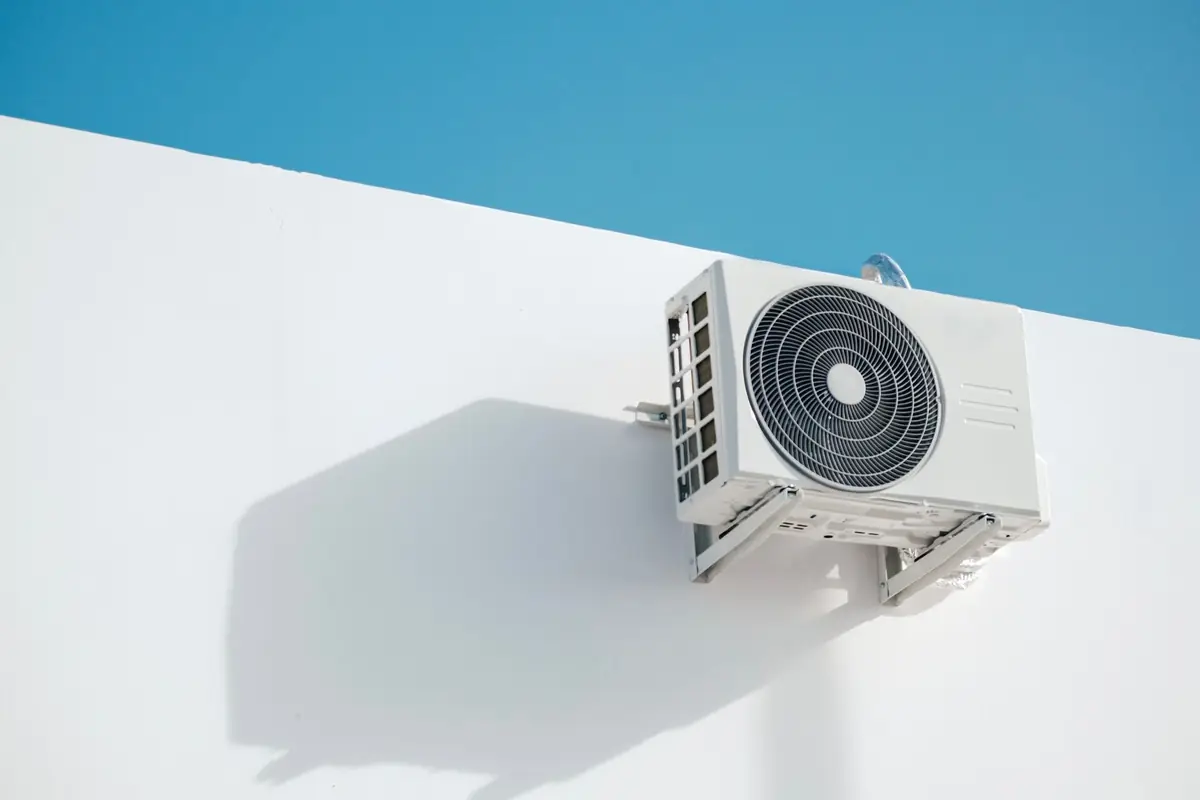
- Blocked vents or outdoor unit. Furniture, curtains or stored items in front of an indoor vent, or dust and debris packed around an outdoor condenser, both reduce airflow enough to matter.
- Breaker and remote batteries. It sounds basic, but a tripped breaker or dead remote batteries account for more “broken AC” calls than you’d expect.
If you’ve checked all of these and the air is still warm, it’s time to look at what’s actually inside the system.
The most common real causes
| Cause | What you’ll notice | Fix |
|---|---|---|
| Low refrigerant (gas leak) | Weak cooling, ice on the indoor coil or pipes, hissing sound | Leak detection, repair and gas top-up |
| Dirty evaporator or condenser coil | Gradually weaker cooling over weeks or months | Coil cleaning, sometimes a deep clean |
| Faulty compressor | Outdoor unit runs but barely any cold air, or won’t start at all | Compressor diagnosis and repair or replacement |
| Blocked drain line | Water dripping indoors, musty smell, unit may shut off | Drain flush and clean |
| Failing capacitor or fan motor | Outdoor fan not spinning, humming noise, unit trips | Capacitor or motor replacement |
| Undersized or ageing unit | Struggles only on the hottest days, or in one particular room | Load check, possible upsizing or replacement |
Low refrigerant: the most common culprit in Dubai
Refrigerant doesn’t get “used up” the way fuel does. If a system is low, it’s leaking, usually from a joint, valve or a tiny corrosion point in the coil. Low refrigerant makes the system work harder for less cooling, and left unchecked it can ice up the indoor coil and eventually damage the compressor. A proper fix means finding and sealing the leak first, then recharging to the manufacturer’s pressure, not just topping up gas repeatedly without addressing why it’s dropping.
Dirty coils: a slow fade, not a sudden failure
Unlike a leak or a failed part, a dirty coil rarely causes a sudden “AC just died” moment. Instead, cooling fades gradually over weeks, which makes it easy to not notice until the room is uncomfortably warm on a hot day. This is exactly why routine servicing matters: see our guide on how often to service an AC in Dubai for a schedule that catches this before it becomes a bigger job.
When it’s the outdoor unit, not the indoor one
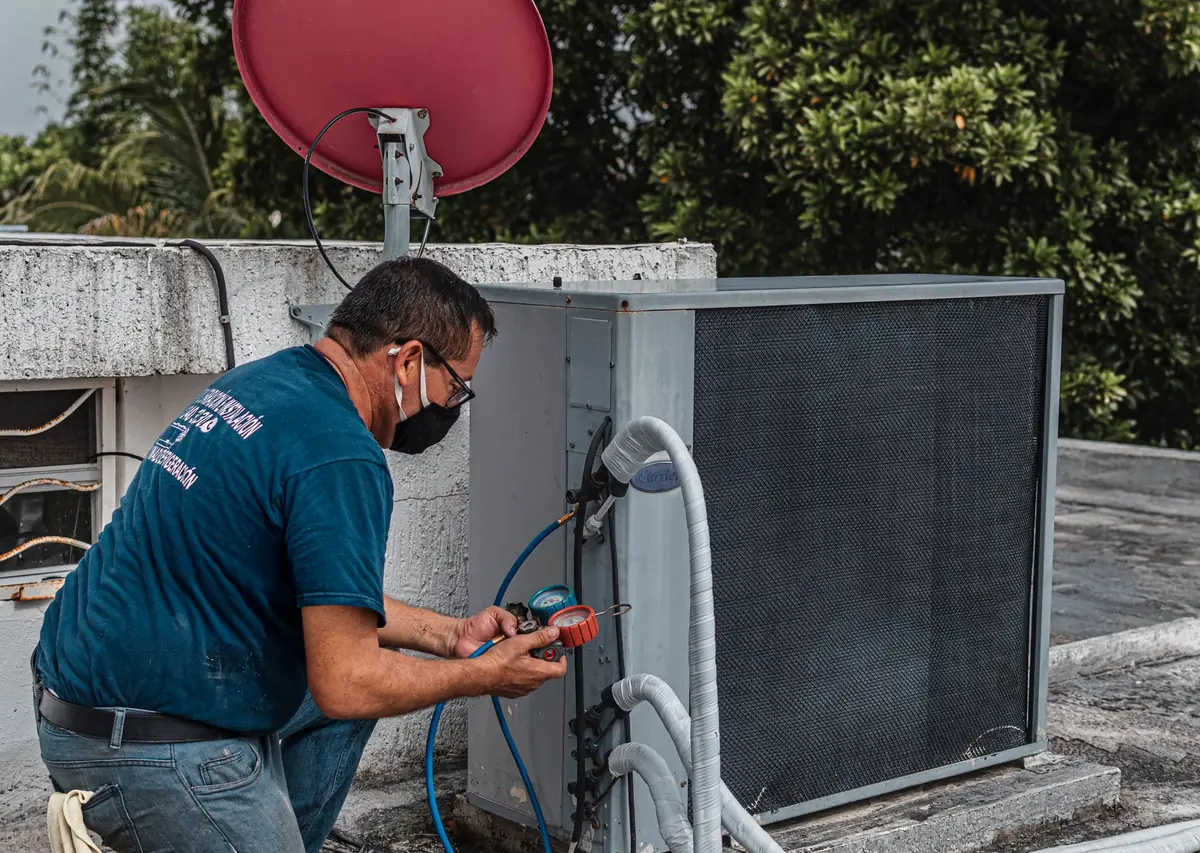
If the indoor unit is blowing air but it’s not cold, the problem is usually upstream, at the compressor or the outdoor coil. Common signs include the outdoor fan not spinning, a humming sound without the fan turning, or the outdoor unit being unusually hot to the touch. Dust and debris packed around the condenser, common on ground-floor units and rooftop installations in Dubai, restricts the airflow it needs to reject heat, which can mimic a refrigerant problem even when the gas level is fine.
Water leaking but no cooling problem?
A blocked drain line is a separate, very common issue that sometimes also reduces cooling as the unit shuts down to protect itself from a full drain tray. If you’re dealing with dripping or pooling water more than warm air, our guide on spotting leak signs in an apartment covers what to look for.
When to call a technician
Call sooner rather than later if you notice ice forming anywhere on the unit or pipes, a burning smell, the breaker tripping repeatedly, or the outdoor unit not running at all. These point to faults that get more expensive the longer they’re left, particularly compressor issues.
For anything beyond a filter wash, it’s worth getting a proper diagnosis rather than guessing. Our technicians carry the gauges and tools to check refrigerant pressure, electrical draw and airflow on the first visit, and we’ll explain what’s wrong and agree a price before any repair starts.
Book a diagnosis
If your AC is running but not cooling, book an AC repair visit or send us the details on WhatsApp. The call-out includes diagnosis, so you’ll know exactly what’s wrong and what it costs to fix before we touch anything. If this keeps happening, ask us about an AMC that catches these issues on a schedule instead.